 Solid-Reviews
Best Quiet Air Purifiers 2026: Sleep-Friendly Picks That Actually Stay Quiet
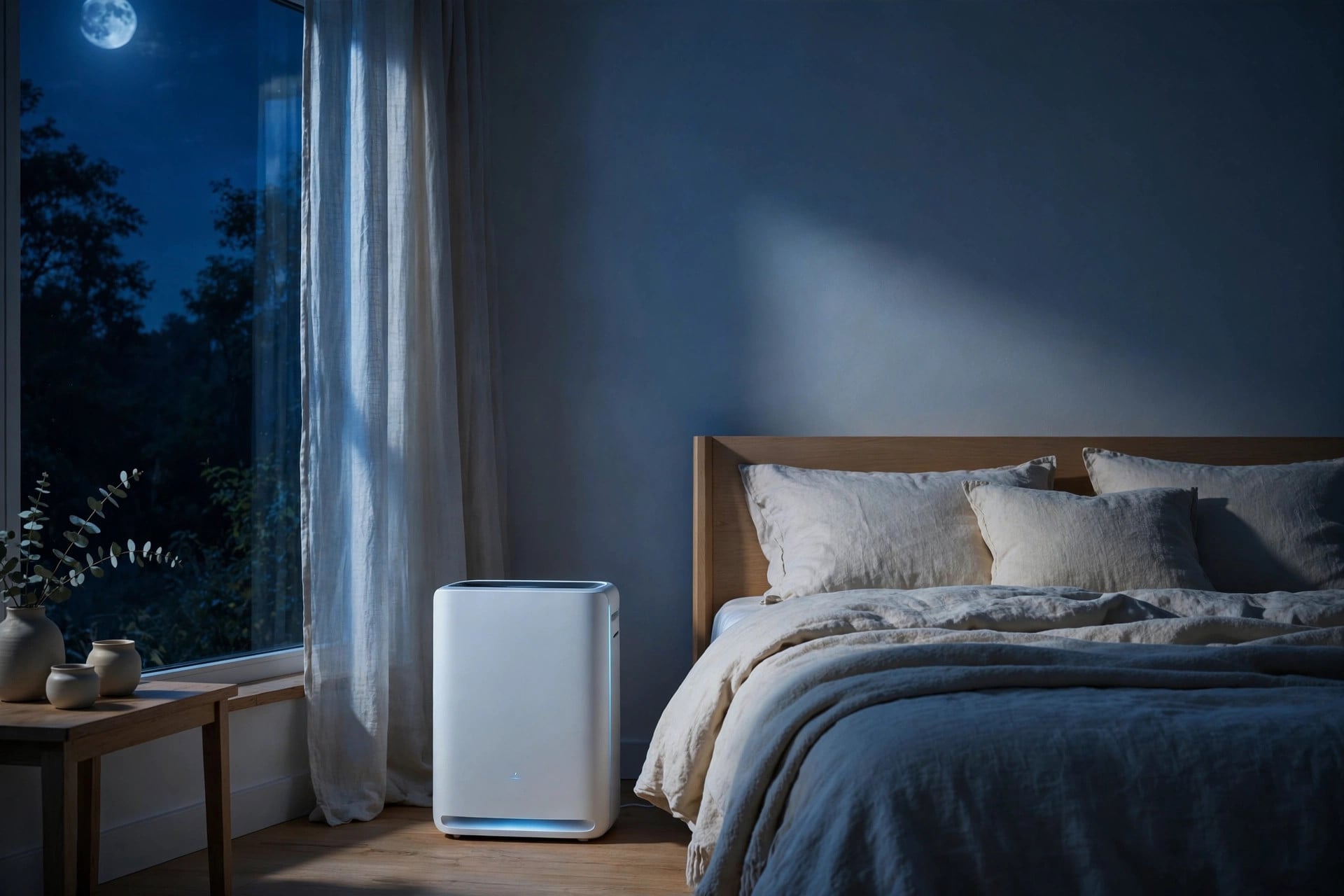
Best Quiet Air Purifiers 2026: Sleep-Friendly Picks That Actually Stay Quiet
The short version: a purifier is only as quiet as the speed you'll actually run it at. The Levoit Core 300-P has the lowest sleep-mode floor here (24 dB) and costs ~$85-100. The Coway Airmega Mighty AP-1512HH (~$240, 24-53 dBA) is the pick for people who want the purifier to manage itself: its sensor-driven auto and eco modes ramp down or stop the fan when the air is clean. The Blueair Blue Pure 311i Max (~$190-230) earned the best low-speed noise marks from reviewers and adds a night mode that dims the display.
How this guide works: we don't run a test lab, and nothing below is a reprinted review. We've read the published verdicts from review outlets, and synthesized them in our own words (key findings, and where the sources agree or disagree), with links to the originals. See "How we compiled this" below for the full method.
The prices
| Typical price | Low-speed noise | |
|---|---|---|
| Levoit Core 300-P | ~$85-100 | 24 dB (sleep mode) |
| Coway Airmega Mighty AP-1512HH | ~$230-240 | 24 dBA (low), auto/eco ramps down |
| Blueair Blue Pure 311i Max | ~$190-230 | Excellent at low speeds, night mode dims lights |
Typical street prices, September 2026. Noise figures are manufacturer ratings; dBA numbers aren't directly comparable across brands, so treat them as rough guides.
What actually makes a purifier bedroom-quiet
Before the picks, four things that matter more than the headline dB number:
- dBA is logarithmic. 30 dBA isn't "a bit louder" than 24 dBA, it's roughly four times the sound energy. Small differences in the 20s and low 30s are very noticeable in a silent bedroom.
- Low speed vs. high speed are different machines. Nearly every purifier is quiet on low and loud on high. What matters is the noise at the speed that cleans your room adequately, which is why room sizing matters: an oversized purifier on low cleans as well as a small one screaming.
- Auto behavior is the real differentiator. A purifier with a sensor and a good auto mode (like the Coway Mighty) spends most of the night on low and only ramps up when it detects something. A fixed-speed machine forces you to choose between cleaning and silence.
- Lights matter too. A quiet purifier with a bright display still ruins sleep. The Blueair's night mode exists for exactly this reason.
Levoit Core 300-P: Quietest sleep mode, lowest price
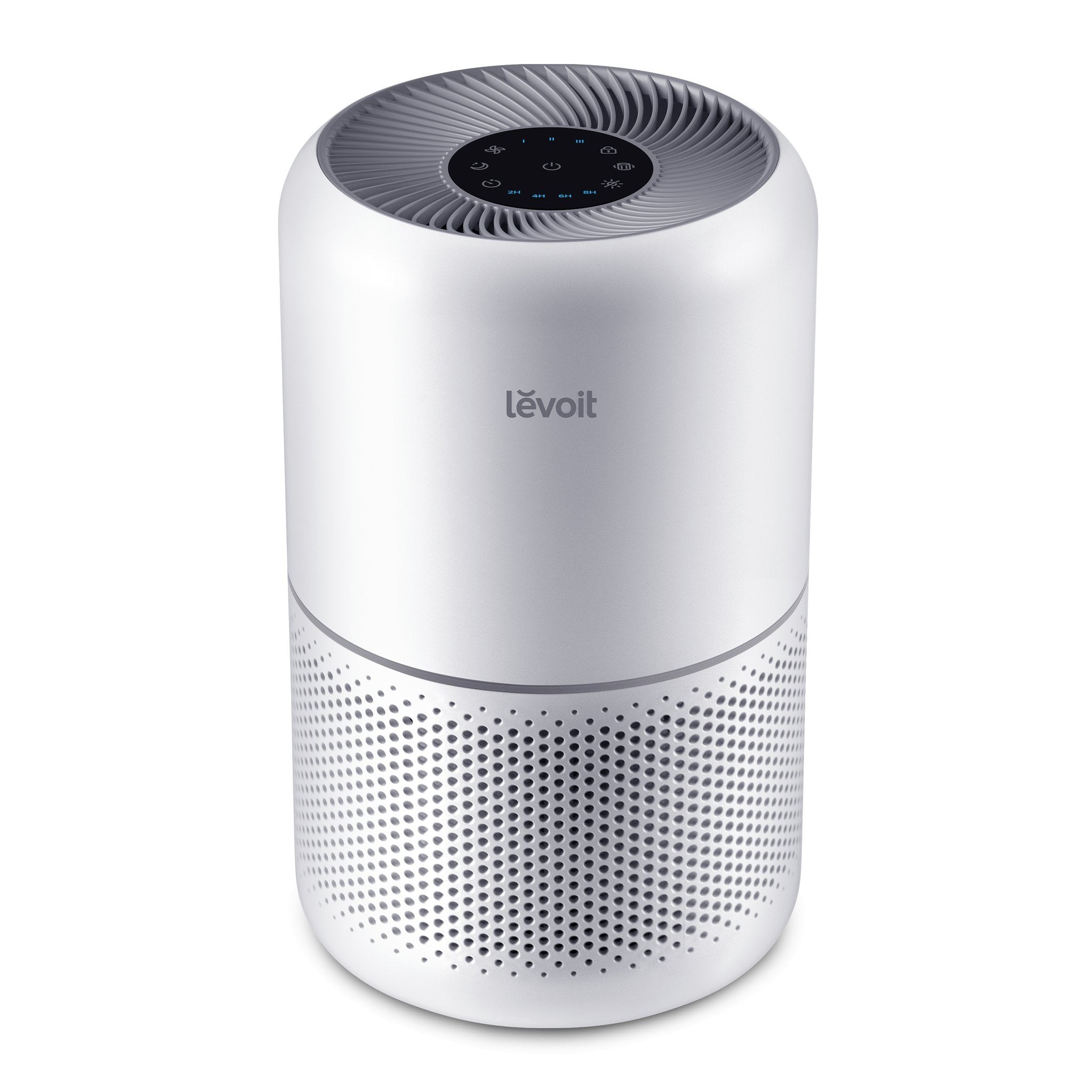
The Core 300-P runs a 24 dB sleep mode, the lowest floor of any unit here, and costs around $85-100. At that price it's the obvious bedroom pick for budget buyers. The tradeoff is control: the standard Core 300-P has no particle sensor and no true auto mode (ignore listings that claim otherwise), so sleep mode is a fixed low speed you select manually. If the air gets worse overnight, it won't notice. Its 141 CFM smoke CADR suits a small bedroom; it's underpowered for large rooms, where you'd have to run it faster and louder.
What the reviews say
- TechGearLab scored it 71 with "Best Bang for Your Buck," and its noise scores were strong relative to price (review).
Best for: light sleepers on a budget who want a set-and-forget sleep mode in a small bedroom.
Not for: anyone who wants the purifier to react to air quality on its own, or rooms above ~220 ft².
Coway Airmega Mighty AP-1512HH: Best auto behavior for overnight running
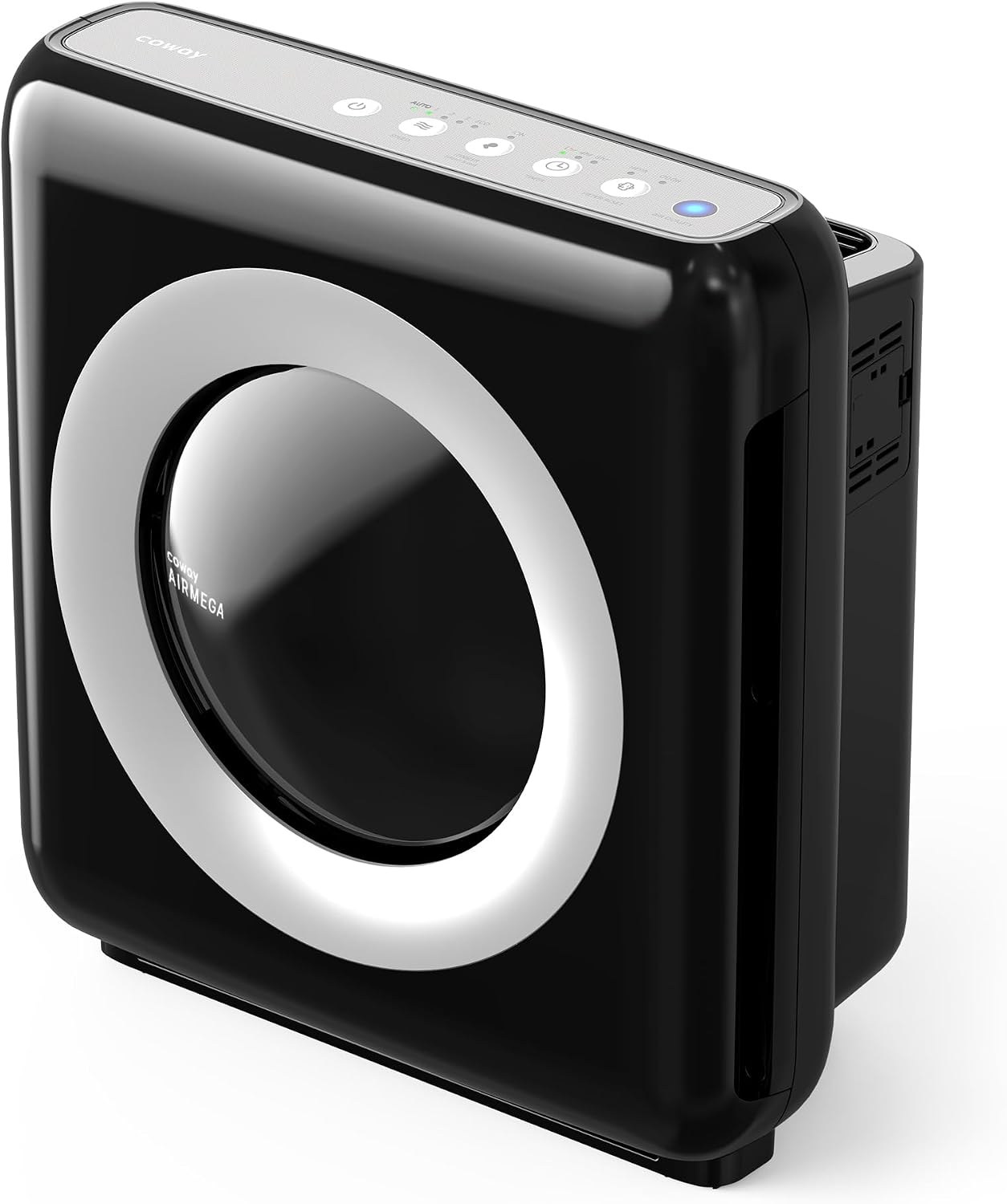
The Coway Mighty (~$230-240, 24-53 dBA) is the only unit here whose quietness is adaptive. Its particle sensor drives an auto mode that adjusts fan speed to the air quality, and an eco mode that stops the fan entirely when the air stays clean, then wakes up when pollution rises. That means genuinely silent stretches overnight, not just a low hum. The 53 dBA top end is there for daytime cleaning, not sleeping. It also has a washable prefilter, a 361 ft² rating at 4.8 ACH, and Coway's filter indicator. The main gap: no app, so scheduling and remote control aren't options.
What the reviews say
- Consumer Analysis rates the Airmega line's sensor-driven modes among the better implementations, and notes the Mighty's long track record (review).
- In a head-to-head field comparison, a writer found the Mighty's auto mode more responsive than a cheaper competitor's (field comparison).
Best for: bedrooms where you want the purifier to decide its own speed overnight, including genuinely silent periods.
Not for: app users, or anyone who wants remote scheduling.
Blueair Blue Pure 311i Max: Best reviewed low-speed quiet, with night mode
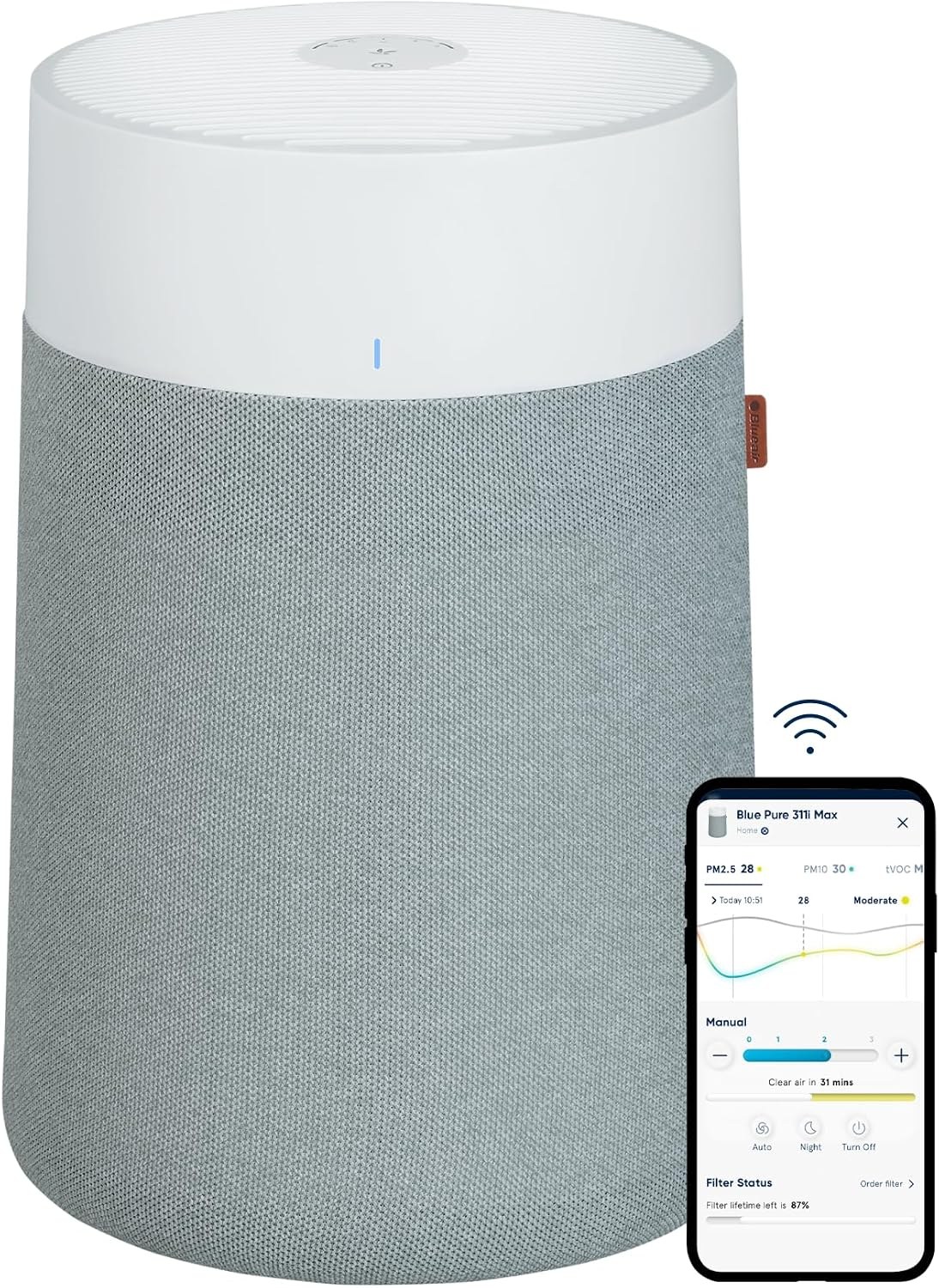
The 311i Max (~$190-230) is the reviewers' favorite for quiet running. TechGearLab's noise testing gave it strong marks at low fan speeds, and it pairs that with a night mode that dims the display lights, the detail the other two lack. It has an app, auto mode, and 250 CFM of smoke CADR, enough for a master bedroom. As with our other guides: its HEPASilent system isn't conventional True HEPA (per TechGearLab), and the F3MAX filter cycle ($44.99 every 6-9 months) makes it the priciest of the three to run.
What the reviews say
- TechGearLab named it Best Overall (80 overall, 7.2 noise), with cleaning performance of 9.1 (review).
- TechHive confirmed quiet, effective low-speed operation in real-room testing and highlighted the night mode (review).
Best for: master bedrooms where quiet low-speed running plus a dimmed display matters most.
Not for: buyers optimizing for filter costs, or purists who insist on conventional True HEPA.
Head-to-head: the dimensions that matter
Lowest noise floor: the Core 300-P at a rated 24 dB sleep mode. But it's a fixed speed: you get 24 dB and whatever cleaning 24 dB buys. The Mighty's low end is rated 24 dBA, effectively tied, with the advantage that it got there by deciding the air was clean.
Best reviewed quiet: the 311i Max. TechGearLab's measured noise scores and TechHive's real-room testing both praise its low-speed behavior, and it's the only one with a dedicated night mode for the lights.
Smartest overnight behavior: the Coway Mighty, by a clear margin. Auto plus eco (fan stops when air is clean) is the closest thing to a purifier that disappears at night. The Blueair's auto mode is good but doesn't stop the fan the way eco mode does; the Core 300-P has no auto at all.
Cleaning while quiet: this is where sizing beats spec sheets. The 311i Max's 250 CFM means low fan speeds still move meaningful air in a bedroom; the Core 300-P's 141 CFM on sleep is gentle by necessity. If your bedroom is large, the Mighty's 233 smoke CADR at 361 ft² (4.8 ACH) gives you the most headroom to stay on low.
Running costs: Core 300-P ~$41-55/year, Mighty ~$65/year, 311i Max ~$60-90/year. See our filter cost guide for the three-year totals.
Who should buy each one
- Get the Core 300-P if: budget is tight and you want the lowest possible sleep-mode noise in a small bedroom. Set sleep mode and forget it.
- Get the Coway Mighty if: you want the purifier to manage itself overnight, with the fan ramping down or stopping when the air is clean.
- Get the 311i Max if: reviewer-verified quiet at low speeds plus a dimmed display is your priority, and you're fine with the filter costs.
Frequently asked questions
What dB level is actually quiet enough to sleep with?
Most people sleep fine with steady noise in the mid-20s dBA; it's roughly the sound of rustling leaves. The low 30s are tolerable for many; the 40s and up will wake light sleepers. Consistency matters as much as level: a steady 30 dB is easier to sleep through than a purifier that keeps ramping up and down.
Should I run my purifier on sleep mode all night?
If the room is appropriately sized for the unit, yes: low continuous filtration keeps the air clean through the night. If you wake up stuffy or the sensor shows the purifier ramping hard, the unit is undersized for the room and you need more CADR, not less noise.
Is eco mode the same as sleep mode?
No. Sleep mode is a fixed low speed (plus usually dimmed lights). Eco mode, on units like the Coway Mighty, is sensor-driven: it stops the fan when the air is clean and restarts it when pollution rises. Eco can be quieter than sleep mode during clean stretches, but it means the fan cycling on and off, which bothers some sleepers.
Does the Blueair 311i Max really not use True HEPA?
Correct, per TechGearLab: its HEPASilent system combines electrostatic and mechanical filtration rather than a conventional True HEPA media. It still scored 9.1 for cleaning in their testing (TechGearLab).
Will a bigger purifier be quieter in practice?
Often, yes. A purifier sized above your room can run on its lowest setting and still turn the air over adequately, while an undersized one has to scream. That's the strongest argument for the Mighty or 311i Max in a larger bedroom.
How we compiled this
We don't run a lab. We synthesized noise and auto-mode findings from published reviews, naming each source and linking to the original: TechGearLab (noise and cleaning scores for the Blueair 311i Max and Levoit Core 300-P), TechHive (real-room testing of the 311i Max), and Consumer Analysis plus field comparisons for the Coway Mighty's sensor behavior. Manufacturer-rated noise figures are included as rough guides only; dBA methodology differs between brands, so cross-brand comparisons of single numbers should be treated skeptically.
Coverage gaps: we couldn't verify current noise testing from Wirecutter or RTINGS for these models, and we note that gap rather than filling it in.
Our recommendations
- Quietest sleep mode: Levoit Core 300-P, 24 dB for ~$85-100.
- Smartest overnight: Coway Airmega Mighty, auto plus eco modes that genuinely go silent.
- Best reviewed quiet: Blueair Blue Pure 311i Max, excellent low-speed noise with night mode.