 Solid-Reviews
Best Smart Speakers 2026: Alexa vs Google vs Sonos vs Apple

Best Smart Speakers 2026: Alexa vs Google vs Sonos vs Apple
The short answer: Buy for sound and ecosystem, not for voice AI. If you want the best sound for the money, get the Sonos Era 100. If you want the most capable smart home control for the least money, get the Amazon Echo Dot 5th Gen. If your house runs on Google, the Nest Audio was the obvious match — Google discontinued it in 2026 and retail stock is gone, so you're hunting clearance units or waiting on the rumored replacement. If your house runs on Apple, only the HomePod mini will do — but wait for the rumored refresh before buying.
The honest backdrop: "smart" speakers have quietly gotten dumber over the past few years. Alexa, Google Assistant, and Siri all stagnated, and while Amazon is now rolling out Alexa+ (an LLM-based refresh, included with Prime, designed for newer Echo hardware), none of the voice assistants are a reason to buy a speaker on their own. Pick the speaker that sounds good in the rooms you have and fits the ecosystem you're already in.
The 2026 Echo lineup: Dot Max, Alexa+, and what changed
Amazon's lineup shifted in 2026, so here's the current map before the individual picks:
- Amazon Echo Dot Max (~$120) — the new value pick. Bigger and better-sounding than the 5th-gen Dot, designed from the start for Alexa+, and reviewers are calling it the default Echo to buy if you're starting fresh in 2026.
- Echo Studio (2nd Gen) — the 2025 redesign is now the audiophile Alexa pick, replacing the original Studio. We don't carry a buy link for it yet; on sound alone it competes with speakers well above its price, but it's a luxury buy next to the Dot Max.
- Alexa+ — Amazon's generative-AI Alexa is rolling out now, and hardware support matters: newer Echo devices (Dot Max, recent Dots and Echos) get it; older hardware (4th-gen Dot and earlier) lacks Alexa+ support and is only worth buying at clearance prices under ~$25.
- Echo Show 11 — the new smart display size if you want a screen; the audio picks below still stand for music-first buyers.
Net: if you're buying an Echo in 2026, the Dot Max is the new default and the 5th-gen Dot below is the budget play — don't pay full price for 2020-era Echo hardware.
Sonos Era 100 — best sound for the money
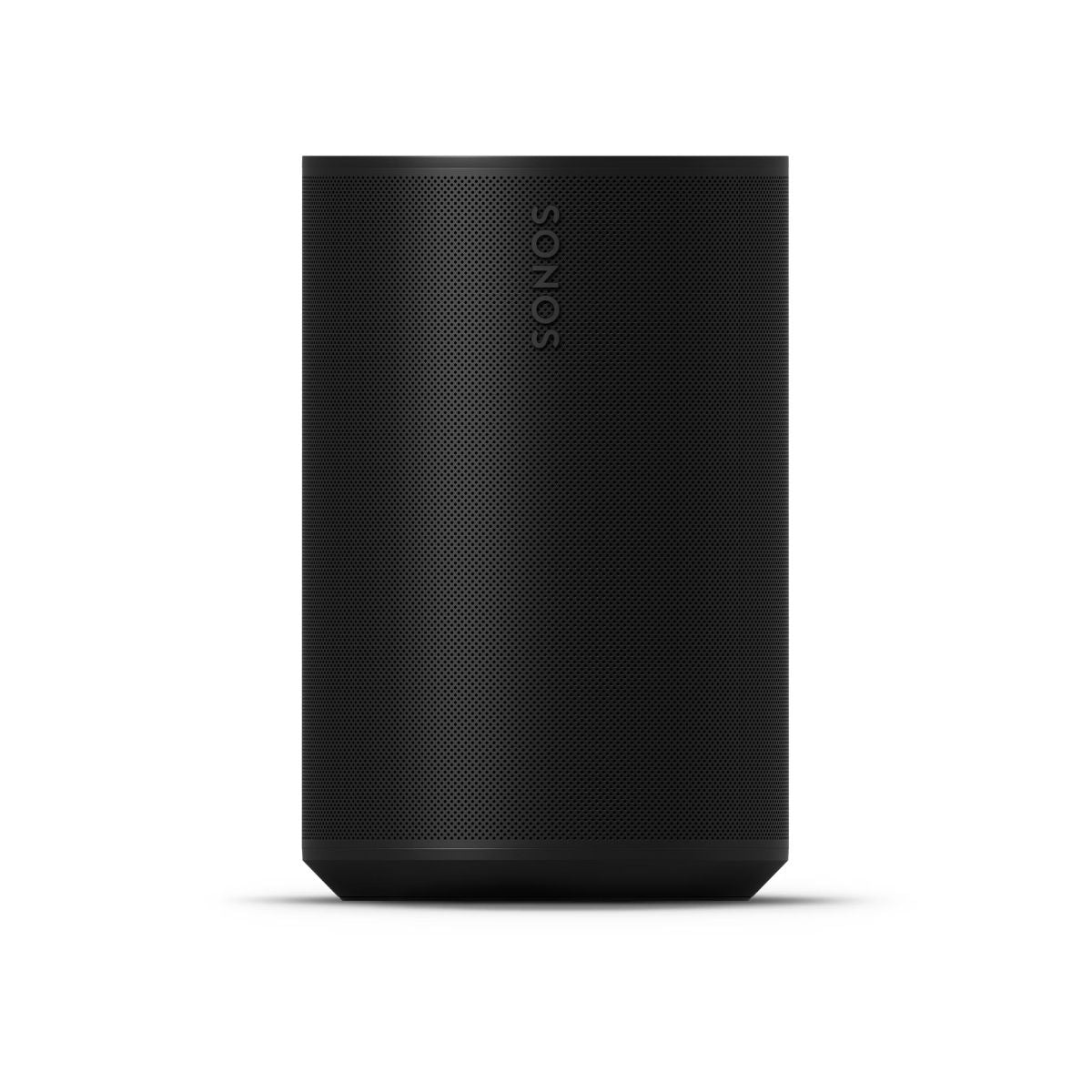
The Era 100 is the speaker reviewers keep coming back to as the default recommendation under $300. It packs two angled tweeters and one midwoofer driven by three Class-D amplifiers — a meaningful step up from its predecessor, the Sonos One — and room-tuning (Trueplay) that adapts its output to your space. Review consensus is that it genuinely sounds like a bigger speaker than it is, with clean stereo separation from a single unit.
Specs: 2 tweeters + 1 midwoofer, 3x Class-D amps, Wi-Fi 6, Bluetooth 5.0, USB-C (line-in and Ethernet via separate adapters), Apple AirPlay 2, stereo-pair capable, works as part of the Sonos multi-room system. Voice assistants: Alexa and Sonos Voice Control.
Approx. price: $249 list, standing typical price $219 (seen as low as $179 on sale).
Honest drawbacks: Google Assistant support was dropped with the Era line, so Google households are locked out of voice control. The line-in and Ethernet ports require separate Sonos dongles (each around $19), which stings at this price. Bluetooth 5.0 (not 5.3) has drawn complaints about spotty performance from some reviewers. And at $219 typical, it's a real jump over the $80-120 speakers in this guide — you should be sure you're buying it for the sound.
Sonos Era 300 — best for serious listening and home theater
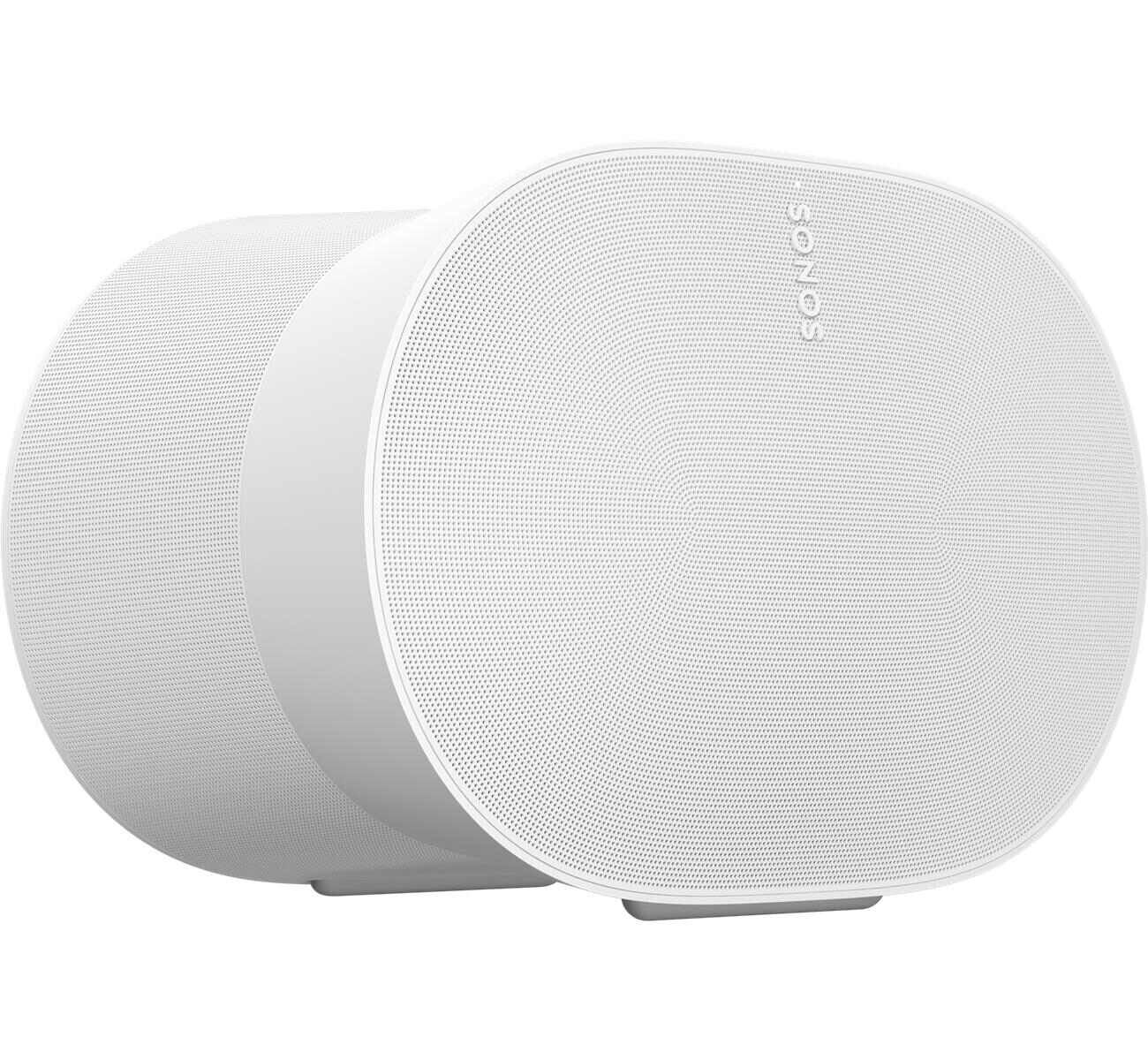
The Era 300 is Sonos' flagship smart speaker: four tweeters and two woofers with six Class-D amplifiers in an hourglass-shaped cabinet built for spatial audio. It supports Dolby Atmos music from services like Apple Music and Amazon Music, and doubles as the ideal rear surround speaker paired with a Sonos Arc or Beam soundbar. Owner ratings are strong — around 4.6/5 across more than 1,200 reviews on Amazon, per recent coverage — and reviewers consistently rate it among the best-sounding standalone speakers under $500.
Specs: 4 tweeters + 2 woofers, 6x Class-D amps, Dolby Atmos / spatial audio, Wi-Fi 6, Bluetooth 5.0, USB-C (line-in/Ethernet via adapters), AirPlay 2, stereo-pair and home-theater capable. Voice assistants: Alexa and Sonos Voice Control.
Approx. price: $499 list (Sonos raised it from $449 in 2026); recent deals have dropped it to around $399, which is genuinely worth waiting for.
Honest drawbacks: The price is the big one — this is a luxury purchase, not a casual one. Reviewers agree the spatial-audio effect on a single speaker is a nice-to-have rather than a transformative reason to upgrade. Like the Era 100, there's no Google Assistant and no Chromecast, and line-in/Ethernet live behind extra dongles. It's also physically large and heavy (nearly 10 lbs), so it dominates small rooms and shelves.
Amazon Echo Dot (5th Gen) — best cheap smart speaker

The Echo Dot is the volume pick: 4.7/5 stars across roughly 190,000+ Amazon ratings, and Amazon's best-selling smart speaker. Its 1.73-inch front-firing speaker sounds decent for its size (much better than the tinny 4th-gen hockey puck), and the smart-home extras punch above the price: a temperature sensor and ultrasound motion detection for triggering routines, eero mesh Wi-Fi extension built in, and Matter support. Alexa remains the most broadly compatible voice assistant, with the largest catalog of supported devices and routines.
Specs: 1.73" front-firing speaker, Wi-Fi (2.4/5 GHz), Bluetooth, Matter, built-in temperature and motion sensors, eero built-in, mic-off button. Voice assistant: Alexa (and designed for Alexa+).
Approx. price: $80 list (Amazon raised it from $50 in Aug 2026), often $50-60 on sale. Buy two for stereo multi-room rather than one Echo — a pair on sale still costs less than any other speaker here.
Honest drawbacks: It's a small speaker and it sounds like one — fine for kitchens and bedrooms, thin for a living room. There's no 3.5mm output (the 4th-gen Dot had one; the 5th dropped it). Alexa's software has a reputation for bugginess that owners consistently report, and like everything in this guide, the voice assistant will occasionally misunderstand you at the worst moment.
Amazon Echo Dot Max — the new default Echo
The Echo Dot Max is Amazon's late-2025 replacement for the old full-size Echo: a bigger, better-sounding speaker than the 5th-gen Dot, designed from the start for Alexa+, and reviewers are calling it the default Echo to buy if you're starting fresh in 2026.
Specs: Larger driver than the 5th-gen Dot, Matter support, designed for Alexa+. Voice assistant: Alexa (Alexa+ ready).
Approx. price: $120 list (raised from $100 in Aug 2026).
Honest drawbacks: It's new, so long-term reliability data is thin and the review record is shorter than the older Echos'. At $120 it sits close to refurbished-Sonos territory — buy it for the Alexa ecosystem and the new hardware, not purely for sound.
Google Nest Audio — best for Google households (discontinued)
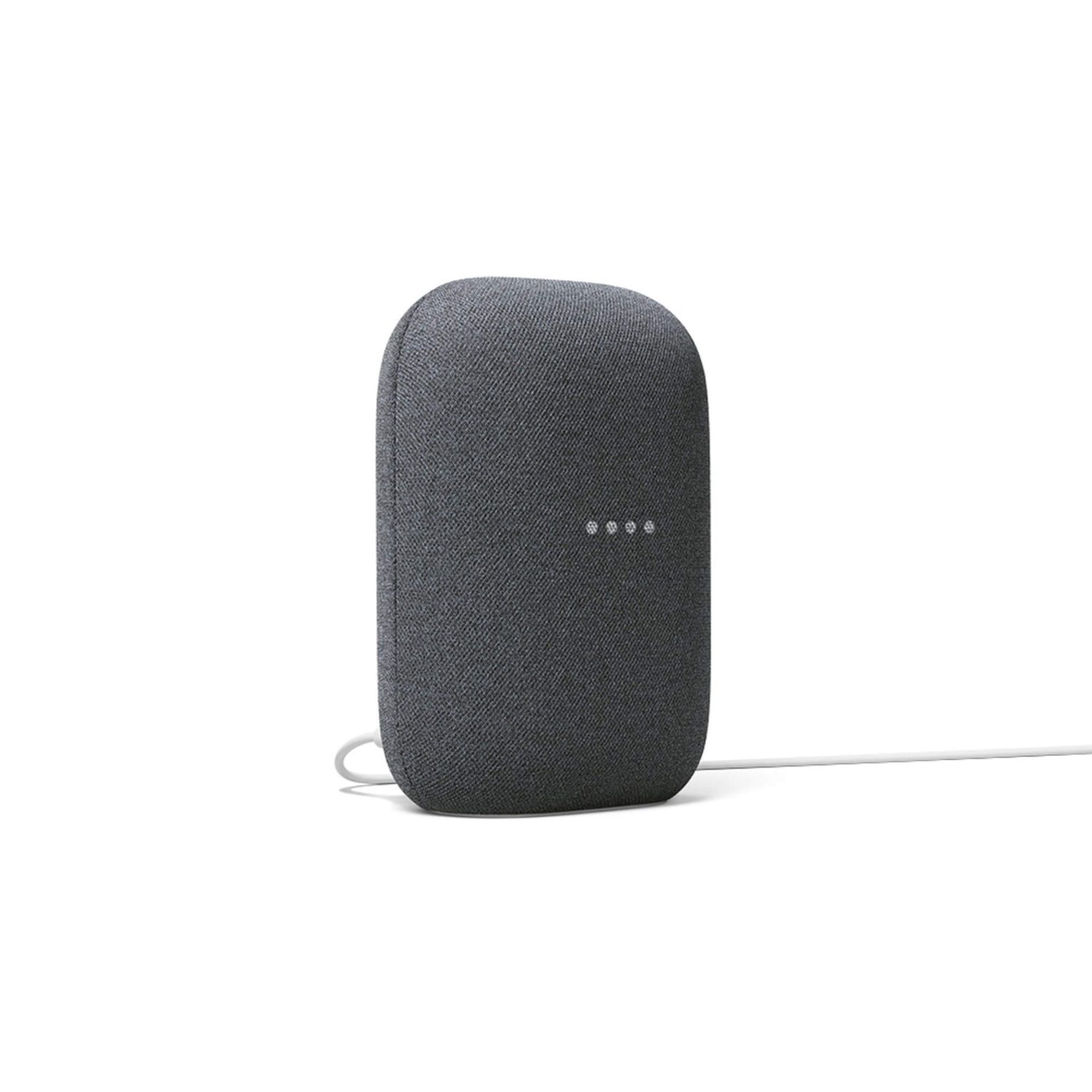
The Nest Audio is a 75mm woofer and 19mm tweeter in a fabric-covered pillow of a speaker, and the review consensus is straightforward: it's the best-sounding $100 Google speaker ever made, with impressive bass for its size and excellent far-field voice pickup. Google Assistant remains the strongest voice assistant for answering general-knowledge questions and handling natural-language follow-ups, and Chromecast built-in makes it easy to fling audio from your phone.
Specs: 75mm woofer + 19mm tweeter, 3 far-field mics, Wi-Fi 5, Bluetooth 5.0, Chromecast built-in, stereo-pair and multi-room capable, made from 70% recycled plastic. Voice assistant: Google Assistant.
Approx. price: No current retail price — Google discontinued it in 2026 and sold through stock. Last clearance sightings were around $75; don't pay more than the original $100 MSRP for leftover units.
Honest drawbacks: Google discontinued the Nest Audio (along with the Nest Mini) in 2026 and retail stock is gone, with a new Google Home Speaker still only rumored. Only buy if you find new stock at clearance prices. Multi-room sync is consistently rated as weaker than Sonos or AirPlay 2, and some owners report Wi-Fi/casting glitches with speaker groups. Google Assistant's smart-home device support lags Alexa's catalog. If you're not already a Google household, there's no reason to buy this over the Echo.
Apple HomePod mini — only for Apple homes, and wait if you can
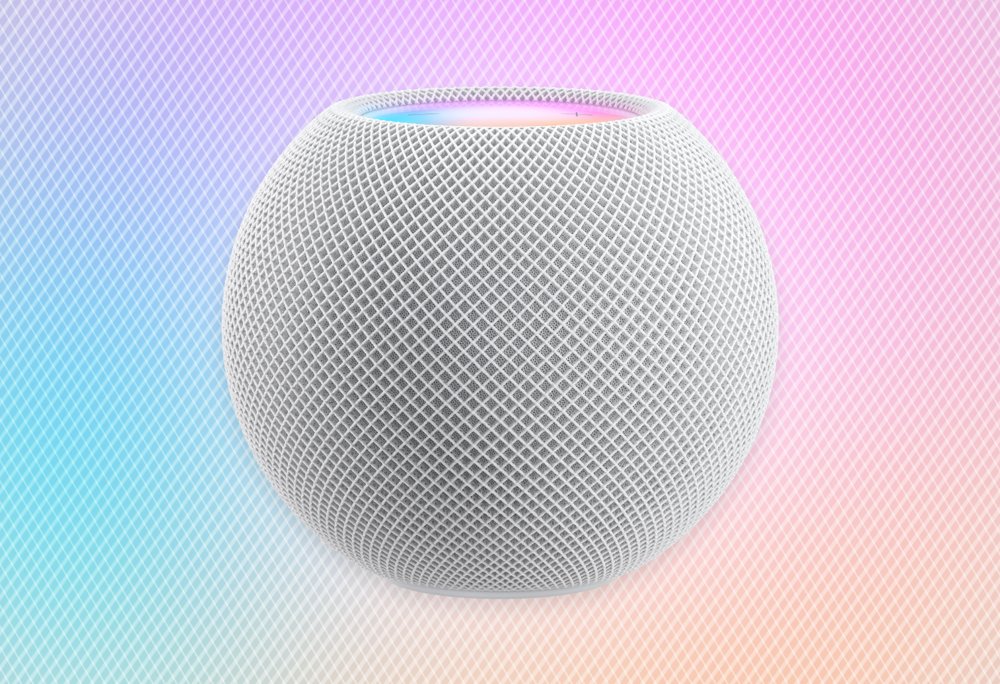
The HomePod mini is a 3.3-inch sphere with impressive 360-degree sound for its size — owners consistently praise how much bigger it sounds than it looks — plus Siri, HomeKit, a Thread border router, temperature and humidity sensors, and the U1 chip for audio handoff from an iPhone. If you live in the Apple ecosystem (Apple Music, HomeKit, iPhone in every pocket), it's the natural choice; Intercom and whole-home AirPlay 2 audio genuinely work well.
Specs: Full-range driver + dual passive radiators, 4 mics, S5 chip, 802.11n Wi-Fi, Bluetooth 5.0 (audio only via AirPlay), AirPlay 2, stereo-pair capable, Thread border router, temp/humidity sensors. Voice assistant: Siri. Requires an iPhone or iPad to set up.
Approx. price: $129 — Apple raised it from $99 in June 2026.
Honest drawbacks: This is the big one: credible rumors put a new HomePod mini model as "nearly ready" for fall 2026, and the original design is six years old. Buying at the new, higher $129 price right before a refresh is poor timing unless you need one today. Siri is Siri — widely considered the weakest of the three assistants for anything beyond basic commands. It plays worst with non-Apple services: Spotify and YouTube Music only work via AirPlay, not voice. Android users need not apply.
Multi-room: who actually does it well
If you plan to put speakers in several rooms and have them play together, this matters more than the voice assistant. Sonos remains the gold standard — the Sonos app's grouping is the most reliable in the business, and mixing Era 100s, Era 300s, soundbars, and even the portable speakers just works. Apple's AirPlay 2 multi-room is nearly as good and is native on the HomePod mini. Amazon's Alexa multi-room works fine in practice (stereo pairs and groups), but owners consistently report more flakiness than the other two. Google's multi-room (speaker groups, moving audio between rooms) is the weakest of the four — fine for casual use, frustrating if it's central to your setup.
Our recommendations
| Situation | Pick |
|---|---|
| You want the best sound per dollar | Sonos Era 100 |
| You want the best sound, period, in this guide | Sonos Era 300 (buy on sale near $399) |
| You want the cheapest way into a smart home | Echo Dot 5th Gen (buy 2 on sale) |
| You want the newest Echo with Alexa+ support | Echo Dot Max (~$120) |
| You want the best-sounding Echo | Echo Dot Max (~$120) |
| Your house is all-Google | Nest Audio (discontinued — clearance stock only) |
| Your house is all-Apple | HomePod mini — but wait for the refresh if you can |
Top pick overall: Sonos Era 100. It sounds dramatically better than everything under $200, works with Alexa and AirPlay 2, and slots into the best multi-room system here. The price stings next to an $80 Echo Dot, but it's the one speaker in this guide nobody describes as "good for the price" — it's just good.
Budget pick: Echo Dot (5th Gen). At $80 list (often $50-60 on sale), it's absurdly capable: a decent speaker, the most compatible voice assistant, and sensors that trigger real automations. A pair in stereo for ~$110 is the cheapest multi-room music setup worth having.
Who should skip what: Google users should skip the Sonos Era speakers for voice control (no Assistant). Alexa users should skip the HomePod mini entirely. Anyone not already deep in the Apple ecosystem should skip the HomePod mini at $129 — especially with a refresh rumored. And nobody should buy any of these primarily for "AI" — the assistants are all in flux, and the speaker that sounds great today will still sound great when the AI finally catches up.
Frequently asked questions
Is Alexa+ worth it?
Alexa+ is Amazon's generative-AI overhaul of Alexa — more conversational, better at multi-step requests, and included with Prime. Early coverage says it's a genuine step up from classic Alexa for complex smart-home routines and natural follow-up questions. The catch is hardware: it only runs on newer Echo devices, so factor that into which Echo you buy. If you're already paying for Prime and buying a new Echo anyway, it's a free upgrade; it's not by itself a reason to replace a working speaker.
Which Echo speakers work with Alexa+?
Newer hardware: the Echo Dot Max, recent Echo Dot (5th Gen), and the Echo Studio 2nd Gen. Older hardware (4th-gen Dot and earlier) lacks Alexa+ support — Amazon's own guidance puts those at clearance-only value (under ~$25). When in doubt, check the "works with Alexa+" badge on the product page before buying.
Should I switch from Google Home to Alexa?
This "is Google Home dead" anxiety is real and widespread in 2026 — Google discontinued the Nest Audio and Nest Mini with a replacement speaker still only rumored, while Amazon is shipping new hardware and Alexa+. Our take: don't switch ecosystems over vibes. If your automations, cameras, and routines run on Google Home and work, a rumored speaker refresh isn't worth rebuilding your setup. If you're starting from scratch or your Google setup frustrates you daily, Alexa's device catalog and new hardware make it the safer 2026 bet.
Which Echo works as a smart home hub?
It varies by model, which is why people ask: the Echo Dot (5th Gen) supports Matter over Wi-Fi and extends eero mesh, and the Echo Dot Max continues Matter support. If you want Thread border-router functionality for Matter-over-Thread devices, check the specific model's spec sheet — Amazon's lineup is inconsistent here, and "works with Alexa" is not the same as "is a Thread border router."
Summary
| Product | Best for | Approx. price | Owner rating |
|---|---|---|---|
| Sonos Era 100 | Best sound for the money | ~$219 (often ~$179 on sale) | 4/5 (TechRadar review) |
| Sonos Era 300 | Audiophile sound + home theater | ~$499 (deals near ~$399) | 4.6/5 (~1,200 reviews) |
| Amazon Echo Dot (5th Gen) | Cheapest smart home entry | ~$80 (often ~$50-60 on sale) | 4.7/5 (~190k+ ratings) |
| Amazon Echo Dot Max | Newest Echo, Alexa+ support | ~$120 | New 2026 model |
| Google Nest Audio | Google households | Discontinued — no current price | Strong owner ratings |
| Apple HomePod mini | Apple households only | ~$129 | Strong owner ratings |