 Solid-Reviews
Smart Thermostat Without a C-Wire: What Actually Works (2026)
Smart Thermostat Without a C-Wire: What Actually Works (2026)
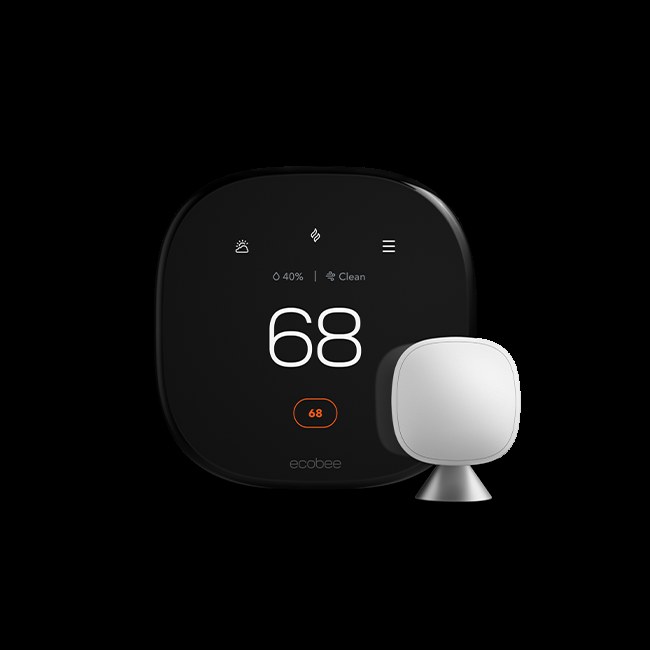
The short version: No C-wire is the #1 smart-thermostat install blocker, and it's solvable. Get the ecobee Smart Thermostat Premium — it ships a Power Extender Kit in the box that powers the thermostat without a C-wire, the easiest path. The Nest Learning Thermostat 4th Gen usually works without one via power-stealing. The Sensi Touch 2 requires a C-wire, full stop — cross it off your list if you don't have one.
What the C-wire actually does (30 seconds)
Your thermostat needs continuous 24V power to run its screen, Wi-Fi radio, and smarts. Older "dumb" thermostats were battery-powered and just closed circuits — they didn't need constant power. The C-wire (common wire) is the wire that provides that continuous power from your HVAC system. Many homes — especially older ones — were wired with only 4 wires (R, W, Y, G) and no C-wire, because nothing needed it yet. That's the entire problem: the wire your smart thermostat needs was never run.
How to check if you have one (2 minutes)
- Turn off power to your HVAC system at the breaker (not just the thermostat).
- Pull your thermostat off its wall plate and look at the labeled terminals.
- Look for a wire connected to the terminal labeled C. Usually blue or black, but color isn't reliable — the terminal label is what matters.
- Photograph the wiring before you touch anything. Every manufacturer support thread starts with "send us a photo of your wiring."
No wire on C? You have three options, ranked by ease.
Option 1: ecobee's Power Extender Kit (easiest)
The ecobee Premium includes a Power Extender Kit (PEK) in the box at no extra cost. You install a small module at your furnace/air handler's control board (it repurposes one of your existing wires to carry continuous power), following ecobee's well-illustrated instructions. Owner consensus: it's a 20–30 minute job if you can access your furnace and aren't afraid of a screwdriver, and ecobee's support will walk you through it. This is the only option of the three that requires no extra purchase and no electrician.
Requirements: access to your furnace/air handler's control board. Renters and anyone without furnace access should look at Option 2 or check with their landlord/HVAC tech.
Option 2: Nest's power-stealing (usually works)
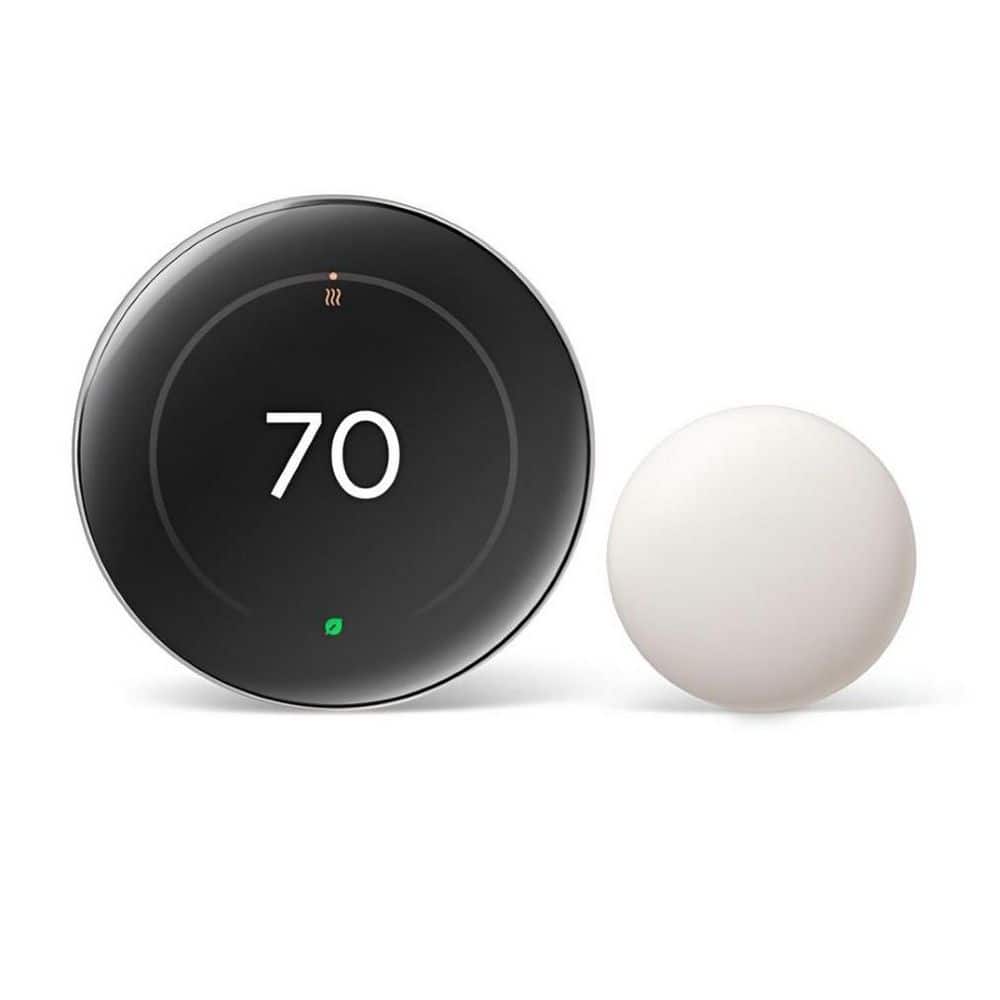
The Nest Learning Thermostat 4th Gen is designed to work without a C-wire on most 24V systems — it "steals" small amounts of power from the heating/cooling wires. For most forced-air systems this just works. The exceptions: some older furnaces and certain heat pumps, where Google recommends adding the Nest Power Connector (a separate purchase, installed at the air handler — similar in spirit to the PEK but not included). Before buying, run your system through Google's online compatibility checker; it will tell you whether your specific setup needs the connector.
Watch for: power-stealing can occasionally cause "ghost" behaviors on incompatible systems (furnace short-cycling, odd relay clicks). If your system is on Google's needs-connector list, get the connector rather than hoping.
Option 3: have an electrician run a C-wire (most permanent)
If you want the cleanest solution — a real C-wire, no adapters — an electrician or HVAC tech can run one from your furnace to the thermostat location. Typical cost is $100–$200 for a straightforward run (more if walls need opening or the run is long). Worth it if you're installing multiple smart thermostats, if your system is finicky about power-stealing, or if you just want the problem gone forever. Get a quote before buying the thermostat; in some homes it's a 30-minute job, in others it's half a day.
The one to avoid without a C-wire
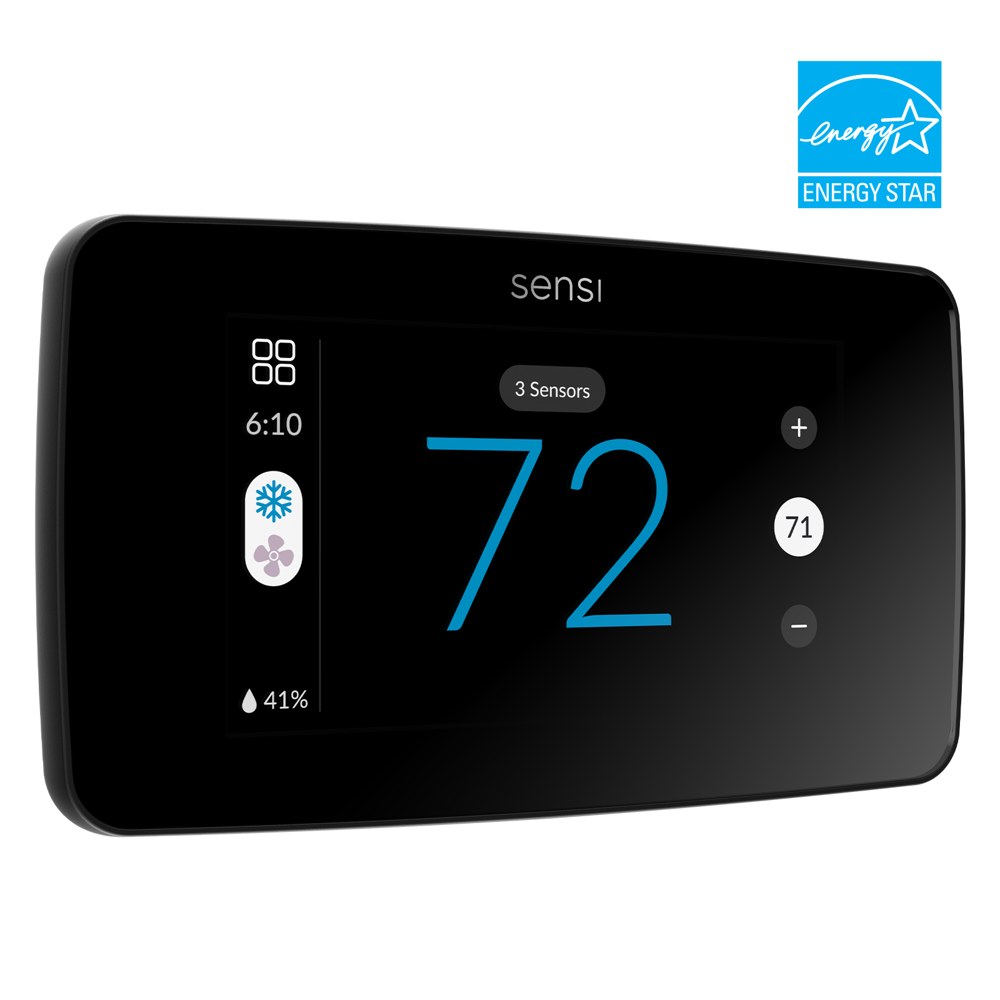
The Emerson Sensi Touch 2 is explicit in its spec sheet: all systems require a common wire. Owners confirm the thermostat will not function without one, and the separate adapter kit costs extra. It's an excellent budget thermostat if you have a C-wire — it's just not the thermostat for this guide's reader. If you already bought one and discovered the problem, return it and get the ecobee.
Frequently asked questions
Can I install a smart thermostat without a C-wire?
Yes. The ecobee Premium ships with a Power Extender Kit that solves it with no extra purchase, and the Nest Learning 4th Gen works without one on most 24V systems. Only some thermostats (notably the Sensi Touch 2) truly require a C-wire. The C-wire problem is a product-selection problem, not a dealbreaker.
Which smart thermostat is best without a C-wire?
The ecobee Premium — the Power Extender Kit is included free, the instructions are the clearest, and owner reports of PEK installs are consistently positive. The Nest 4th Gen is second: it usually works without a C-wire, but you may need to buy and install the separate Nest Power Connector depending on your system.
What happens if I install a smart thermostat without a C-wire on an incompatible system?
Symptoms range from annoying to non-functional: the thermostat rebooting, the screen flickering, Wi-Fi dropping, the furnace short-cycling, or the thermostat simply not powering on (the Sensi's behavior). None of this damages your HVAC system permanently, but it's why the compatibility checkers exist — use them before you buy.
How much does it cost to add a C-wire?
Typically $100–$200 for an electrician or HVAC tech to run a new wire in a straightforward home — more if the run is long or requires opening walls. Compare that against the price difference between thermostats: if the electrician costs $150 and the ecobee's PEK is free, the PEK wins on economics unless you want the permanent fix.
Do I need a C-wire for the ecobee Premium?
No — that's the point of the included Power Extender Kit. Install the PEK at your furnace/air handler and the ecobee gets continuous power over your existing wiring. It's the reason the ecobee is our default recommendation for anyone unsure about their wiring.
Do I need a C-wire for the Nest Learning Thermostat 4th Gen?
Usually not — it power-steals on most 24V forced-air systems. But "usually" isn't "always": check Google's compatibility checker for your system, and if it recommends the Nest Power Connector, buy it. Don't skip the checker.
| Product | No-C-wire path | Approx. price |
|---|---|---|
| ecobee Smart Thermostat Premium | Power Extender Kit included free | ~$249 |
| Google Nest Learning Thermostat 4th Gen | Power-stealing; Power Connector sometimes needed (extra) | ~$249 typical |
| Emerson Sensi Touch 2 | Not supported — requires C-wire | $130–$210 (only if you have one) |
Prices are approximate typical prices observed in September 2026; they change with sales. Turn off HVAC power at the breaker before touching any wiring.