 Solid-Reviews
Roborock vs Dreame: Which Robot Vacuum Brand Wins in 2026?
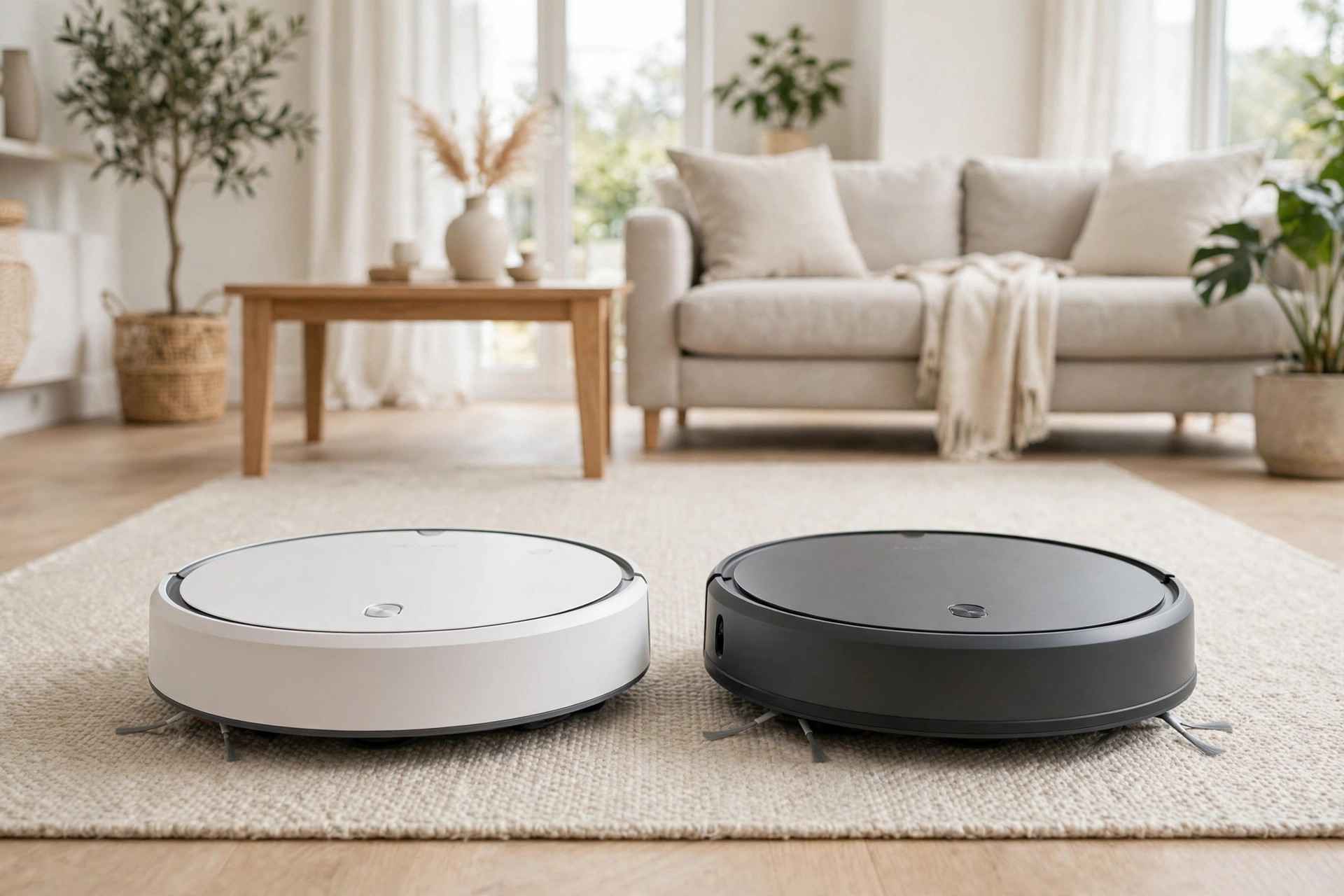
Roborock vs Dreame: Which Robot Vacuum Brand Wins in 2026?
The short version: This is the fight that replaced "Roborock vs Roomba." Roborock is the #1 robot vacuum brand in the world (~21.7% global share per IDC) — the best all-rounder with the most mature software and the most consistent navigation. Dreame is the challenger with the best hardware value: more aggressive dock features (hot-water mop washing, auto detergent dosing, self-cleaning washboards) at lower typical prices. If you want the safest, most polished pick, buy Roborock. If you want the most dock for your dollar, buy Dreame.
Both brands are Chinese, both iterate hardware at a pace iRobot never matched, and both now sit ahead of Roomba on cleaning specs in 2026. This comparison is grounded in published specs, review consensus, and owner ratings — not hands-on testing claims.
The brands in 2026
Roborock (founded 2014, originally Xiaomi's vacuum arm) is the market leader and the review-outlet favorite. Its strengths: LiDAR-first navigation that's consistently rated among the best in the industry, the deepest app in the category, and a lineup that covers every price tier from the Q7 series to the Saros flagships. Owner satisfaction scores run high, and parts are readily available.
Dreame (founded 2017) is the value disruptor that grew up fast. Its playbook: flagship-tier hardware — 11,000Pa+ suction, hot-water mop washing, auto-lifting mops, self-cleaning docks — at midrange typical prices. The L40 Ultra routinely sells for under $600 against a $1,500 list. Dreame's marketing makes aggressive claims (including a disputed "#1" market-share claim that industry press has questioned), so take the slogans with salt — but the hardware underneath is genuinely strong.
One trust note people ask about: both are Chinese brands, and both collect app/cloud data like every connected vacuum. If on-device privacy is a priority, neither is the answer — that's the pitch of newcomers like Matic, not these two.
Navigation and obstacle avoidance
Roborock builds around spinning LiDAR, and it shows: fast, precise first-run mapping, methodical coverage, up to four stored floor maps, and efficient routing. Review consensus consistently ranks Roborock's navigation at the top of the industry. Obstacle avoidance is sensor-based on midrange models (structured light — good for cables and toys) and camera-assisted on flagships like the Qrevo Curv (AI RGB, 200-object recognition). No waste guarantee, though — that's still iRobot's exclusive.
Dreame pairs LiDAR with cameras and 3D structured light. Navigation is good but a half-step behind Roborock in review consensus — slightly less methodical, occasionally quirkier routing. The L40 Ultra's camera-based avoidance needs ambient light to see well and has raised the usual camera-in-your-home eyebrows. For most homes the difference is minor; for chaotic floors with lots of small obstacles, Roborock's consistency wins.
Winner: Roborock, on navigation maturity. The gap is smaller than the marketing suggests.
Mopping and docks
This is where Dreame punches hardest. The Dreame L40 Ultra washes its mop pads in 149°F (65°C) hot water, auto-doses detergent from a built-in tank, self-cleans the dock's own washboard, dries with hot air, and swings its mops out to baseboards (MopExtend). At flagship tier, Roborock's Saros answers with boiling-water mop washing — but the Qrevo S5V, Roborock's volume model, washes pads in room-temperature water.
So the honest split: Dreame's midrange dock out-features Roborock's midrange dock. Roborock's flagship dock out-features Dreame's flagship. If you're spending ~$500–600, Dreame gives you the better dock; if you're spending $1,000+, it's a wash (pun intended) and comes down to software.
Winner: Dreame at midrange, Roborock at flagship. Overall edge to Dreame for dock value.
App and software
Roborock's app is the power user's choice and the most mature in the category: per-room suction and water settings, custom cleaning sequences, multi-floor maps, SmartPlan auto-optimization, broad voice support. Deep, occasionally dense, but stable and well-supported.
Dreame's app (Dreamehome) is powerful but denser and less polished — reviewers consistently note a steeper learning curve and more quirks than Roborock's. It does everything the Roborock app does on paper; in practice, owners report more time spent tuning.
Winner: Roborock, clearly. Software is the moat.
Price-to-performance
Dreame dominates the value conversation. The L40 Ultra lists at $1,500 and routinely sells for under $600 — flagship dock hardware at a midrange price. Roborock's Qrevo S5V typically sells for around $500 with a $900 list and slightly less dock tech (no hot-water wash, no detergent dosing). At the top end, the Qrevo Curv (~$900–1,150 typical) justifies its premium with 18,500Pa suction, anti-tangle dual rollers, and a threshold-climbing chassis.
Winner: Dreame on raw features-per-dollar; Roborock on "you'll actually use all of it."
The models, head to head
Roborock Qrevo S5V — the safe all-rounder
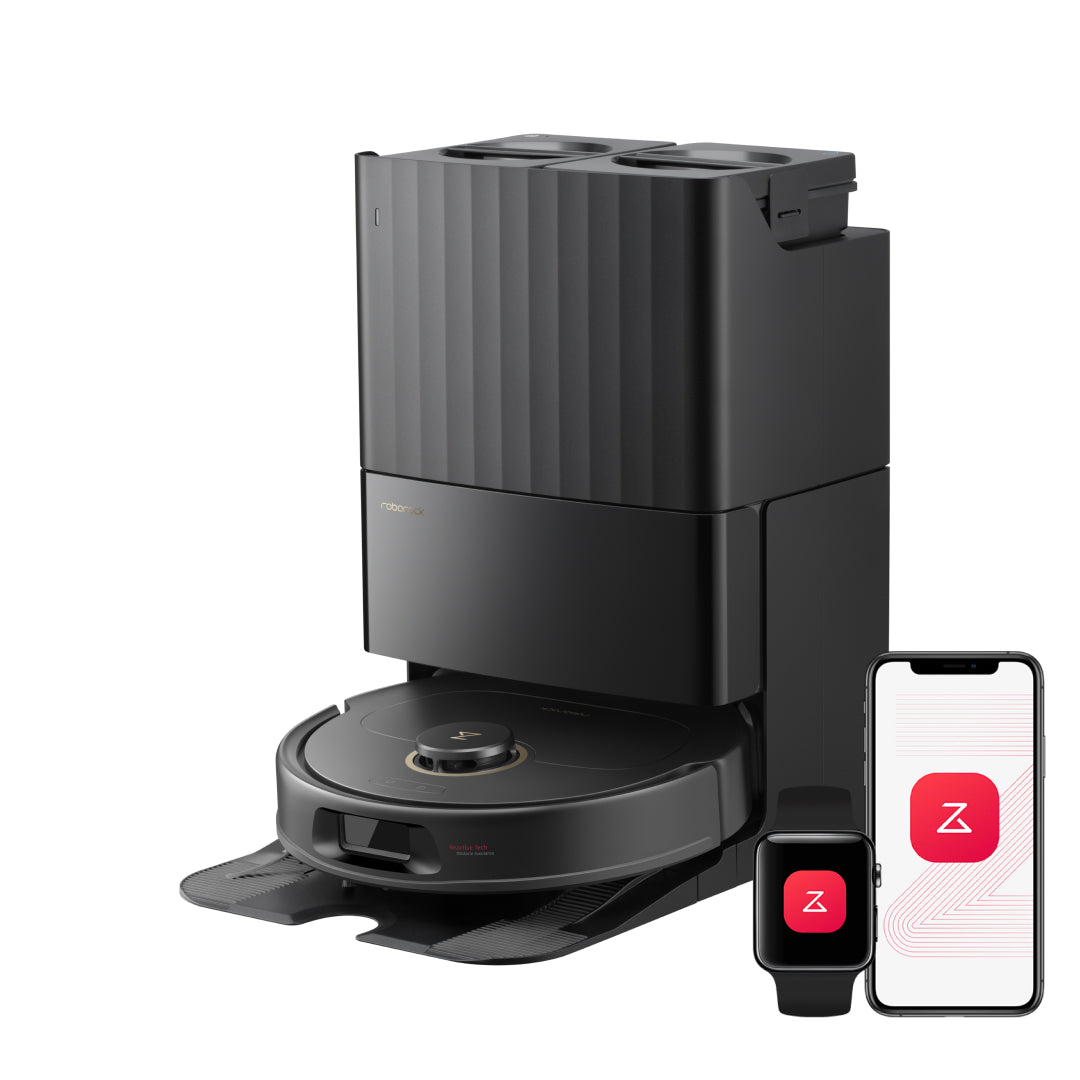
12,000Pa suction, SGS-certified zero-tangle dual brushes, LiDAR mapping with four floor plans, dual spinning mops with edge extension, and a dock that empties (~10 weeks of debris), washes and warm-air-dries the mops, and refills water. Rated 4.1/5 across ~1,100 Amazon ratings. Typical price around $500. The robot we'd recommend to someone who wants to buy once and not think about it.
Honest drawbacks: Pad washing uses room-temperature water (no hot-water wash). Obstacle avoidance is sensor-based, not camera-grade. 2.4GHz Wi-Fi only.
- Suction: 12,000Pa | Runtime: up to 180 min | Mopping: dual spinning pads, 10mm lift | Self-empty: ~10 weeks | Typical: ~$500 | 4.1/5 (~1,100 ratings)
Dreame L40 Ultra — the dock-features champion

11,000Pa suction, up to ~194 minutes of runtime, and the best midrange dock in the business: 149°F hot-water mop washing, auto detergent dosing, a self-cleaning washboard, hot-air drying, MopExtend edge scrubbing, and four stored floor maps. Lists at $1,500, routinely under $600 typical. Owner ratings 4.3/5 across ~700 Amazon ratings; Vacuum Wars scored it 3.40/5, well above their average.
Honest drawbacks: The stock brush tangles more than the marketing suggests — budget for Dreame's optional TriCut anti-tangle brush if you have long hair or pets. The dock is enormous. The app has a learning curve, and camera-based avoidance wants ambient light.
- Suction: 11,000Pa | Runtime: up to ~194 min | Mopping: dual rotating pads, 10.5mm lift, hot-water wash | Self-empty: 3.2L bag | Typical: under $600 ($1,500 list) | 4.3/5 (~700 ratings)
Roborock Qrevo Curv — the flagship answer
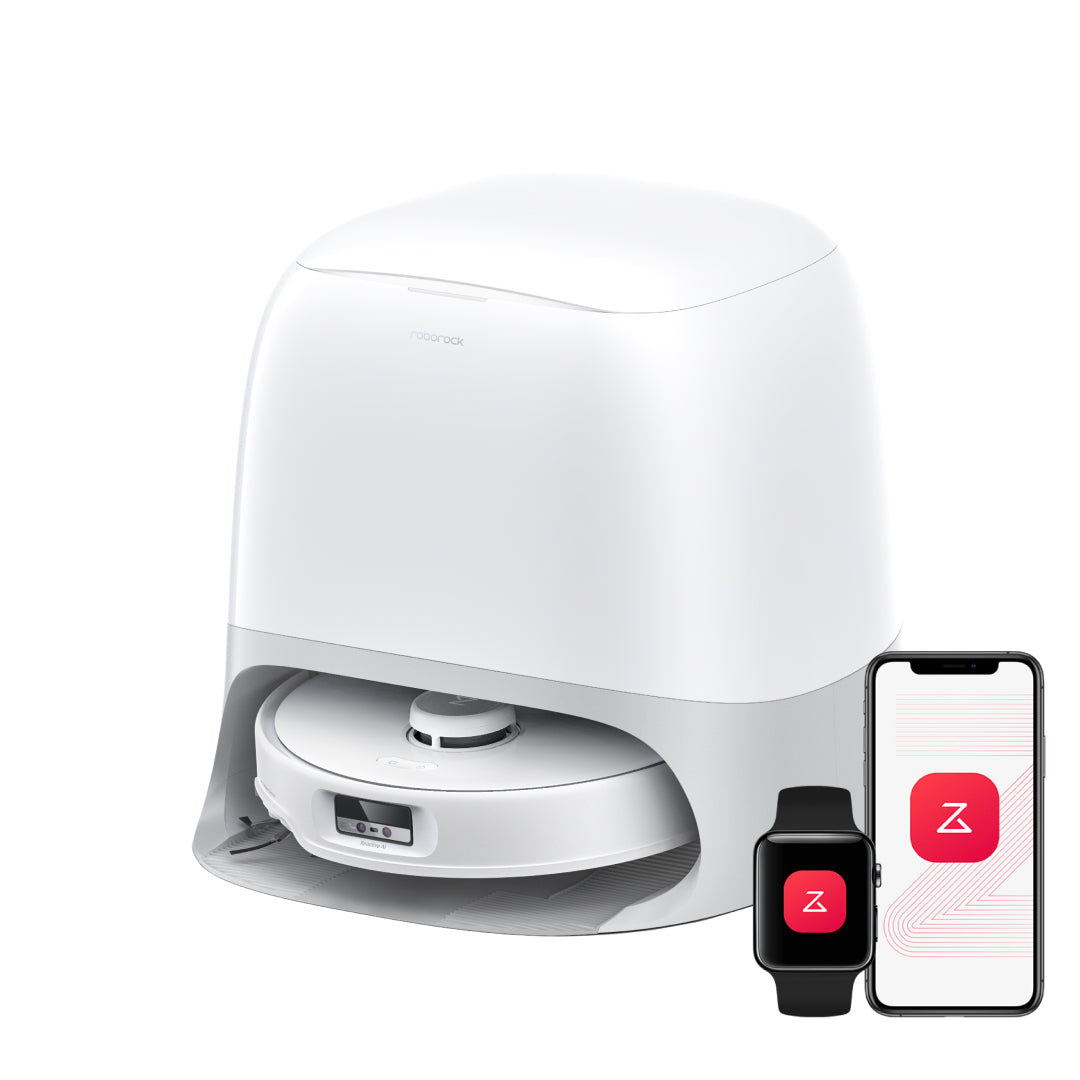
18,500Pa suction, DuoDivide dual rollers with a 0% hair-tangle result in Vacuum Wars testing, an AdaptiLift chassis that climbs 4cm thresholds, up to 240 minutes of runtime, FlexiArm mop and side brush, hot-water mop washing and drying, LiDAR + AI RGB navigation. Typical price: ~$900–1,150. The pick if you're spending flagship money and want Roborock's software with no compromises.
Honest drawbacks: Big step up from the S5 for gains most homes won't fully use. Cable avoidance is a known weak point. Small onboard dustbin (325ml) for a flagship.
- Suction: 18,500Pa | Runtime: up to 240 min | Mopping: FlexiArm, hot-water wash/dry | Self-empty: yes, with dock | Typical: ~$900–1,150 | ~4.4/5 (limited ratings)
Who should buy which
Buy Roborock if: you want the most polished overall package — best navigation, best app, highest owner satisfaction, and the global market leader behind your purchase. The Qrevo S5V is the default answer for most homes.
Buy Dreame if: you want the maximum dock technology per dollar — hot-water mop washing, detergent auto-dosing, and a self-cleaning washboard at a typical price that undercuts Roborock's equivalent. Just budget for the TriCut brush if hair tangling is a concern, and expect to spend an evening in the app.
Buy neither and get a Roomba if: you need the j7+'s pet-waste guarantee — neither brand offers one. See our Roborock vs iRobot comparison for that trade-off.
Frequently asked questions
Is Dreame better than Roborock?
Neither is categorically better — they're better at different things. Dreame wins on hardware value: more dock features (hot-water washing, detergent dosing, self-cleaning washboard) at lower typical prices. Roborock wins on software maturity, navigation consistency, and overall polish. In 2026 review consensus, Roborock remains the best overall brand while Dreame is the best value brand. Buy the strength you care about.
Is Dreame reliable?
Owner ratings say yes — the L40 Ultra holds ~4.3/5 across hundreds of Amazon ratings, and Dreame has grown into a top-3 global brand. The caveats are real but narrow: the stock brush tangles (get the TriCut upgrade), the app is dense, and Dreame's marketing claims (including a disputed "#1" market-share claim) deserve skepticism. As a company it's on a strong trajectory, unlike iRobot's post-bankruptcy uncertainty.
Roborock vs Dreame for pet hair — which wins?
Roborock, narrowly. The Qrevo S5V's SGS-certified zero-tangle brush system has the best owner feedback for hair resistance, and the Qrevo Curv's DuoDivide rollers scored a 0% tangle result in independent testing. The Dreame L40 Ultra needs its optional TriCut brush to match them on tangling — with it, the gap mostly closes. Both have the suction and self-emptying docks heavy-shedding homes need.
Which brand has better customer service?
Roborock has the longer track record and generally better-regarded support in owner reports, with wider parts availability in the US. Dreame's support is improving as it scales but draws more mixed reviews. Neither matches the old iRobot phone-support reputation at its peak — but iRobot's support future is the uncertain one now.
| Product | Best for | Approx. price | Owner rating |
|---|---|---|---|
| Roborock Qrevo S5V | Best all-rounder | ~$500 | 4.1/5 (~1,100 ratings) |
| Dreame L40 Ultra | Best dock features for the money | under $600 ($1,500 list) | 4.3/5 (~700 ratings) |
| Roborock Qrevo Curv | Flagship, no compromises | ~$900–1,150 | ~4.4/5 (limited ratings) |
Prices are approximate typical prices observed in September 2026; they change with sales. Owner ratings are aggregated Amazon ratings rounded from listed data.